
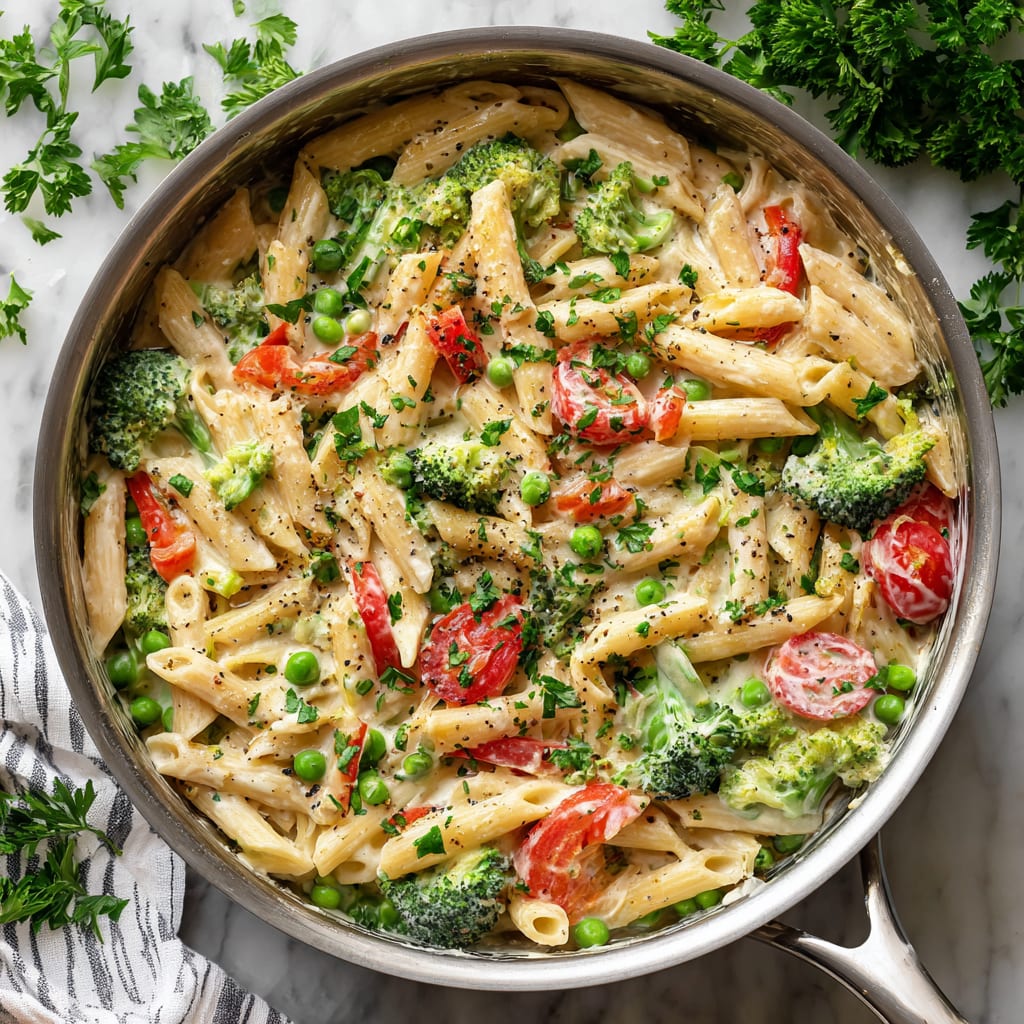
Picture a vibrant plate of perfectly al dente pasta tossed with crisp, colorful vegetables and enveloped in a silky, savory sauce that clings to every bite. That’s the magic of Pasta Primavera – a celebration of spring vegetables transformed into a restaurant-worthy dish you can easily create at home. This classic Italian-American recipe combines the freshness of seasonal vegetables with creamy parmesan sauce and tender pasta for a balanced meal that’s both satisfying and elegant. You’ll learn how to create the perfect vegetable-to-pasta ratio, master the silky sauce, and customize this versatile Pasta Primavera to make it your family’s new favorite dinner.
Why You’ll Love This Recipe
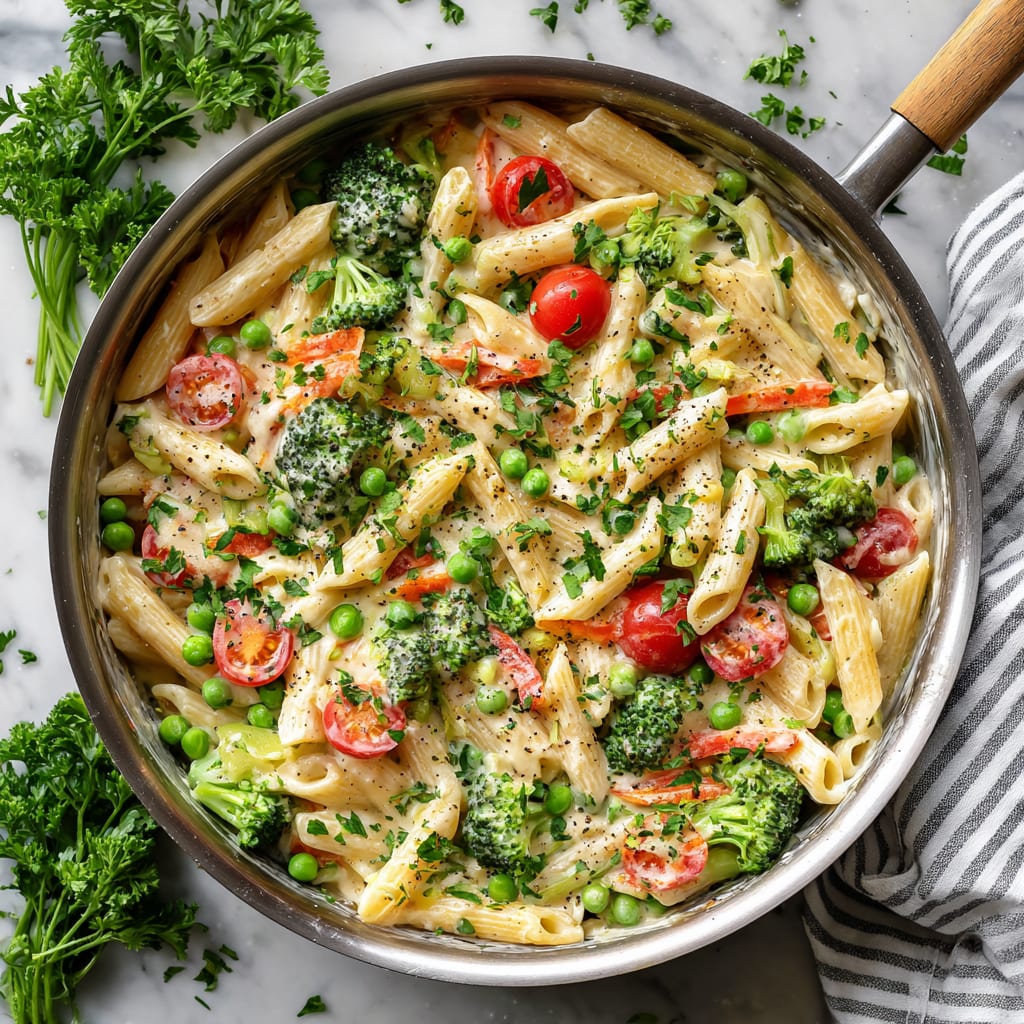
This Pasta Primavera isn’t just another pasta dish – it’s a complete sensory experience that delivers on flavor, texture, and visual appeal. The vibrant rainbow of vegetables creates a stunning presentation while providing a medley of textures – from the slight crunch of barely-cooked broccoli to the tender sweetness of peas. The creamy parmesan sauce brings everything together without overwhelming the fresh vegetable flavors, creating the perfect balance of richness and lightness.
What makes this spring pasta recipe truly special is its adaptability. It works beautifully as both a quick weeknight dinner and an impressive centerpiece for dinner parties. The sauce comes together in minutes but tastes like it simmered all day, with layers of flavor from garlic, herbs, and parmesan. Even vegetable skeptics will be won over by this colorful vegetable pasta that perfectly balances comfort and freshness in every forkful.
Best of all, this Pasta Primavera recipe is straightforward enough for beginners but with enough technique to satisfy experienced cooks. The method of cooking vegetables in stages ensures each one reaches its perfect texture without becoming mushy or undercooked – a common pitfall in many primavera recipes.
Ingredients List for the Pasta Primavera Recipe
This ingredient list combines fresh vegetables, aromatic seasonings, and quality dairy for a perfectly balanced Pasta Primavera that highlights the best of seasonal produce while delivering creamy comfort.
- 1 ¼ cups chicken broth
- 1 ¼ cups half and half
- ½ chicken bouillon cube
- 1 teaspoon soy sauce
- 1 teaspoon hot sauce
- ¾ teaspoons EACH: dried parsley, basil, oregano, mustard powder
- 1 pinch red pepper flakes
- 2 tablespoons olive oil
- 2 cups broccoli florets (cut into bite-sized pieces)
- ½ cup carrots (julienned)
- ½ cup red onion (sliced)
- 1 cup red bell pepper (sliced)
- ½ zucchini (cut into chunks (equal to 1 ½ cups))
- ½ cup frozen peas
- 1 cup cherry tomatoes (halved or quartered)
- Salt/pepper (to taste)
- 3 tablespoons butter
- 3 cloves garlic (minced)
- 3 tablespoons flour
- 1 cup freshly grated parmesan cheese
- ½ lb. ziti
- 2 tablespoons lemon juice
Pro Tips
Creating restaurant-quality Pasta Primavera at home hinges on three critical techniques that elevate this dish from good to exceptional:
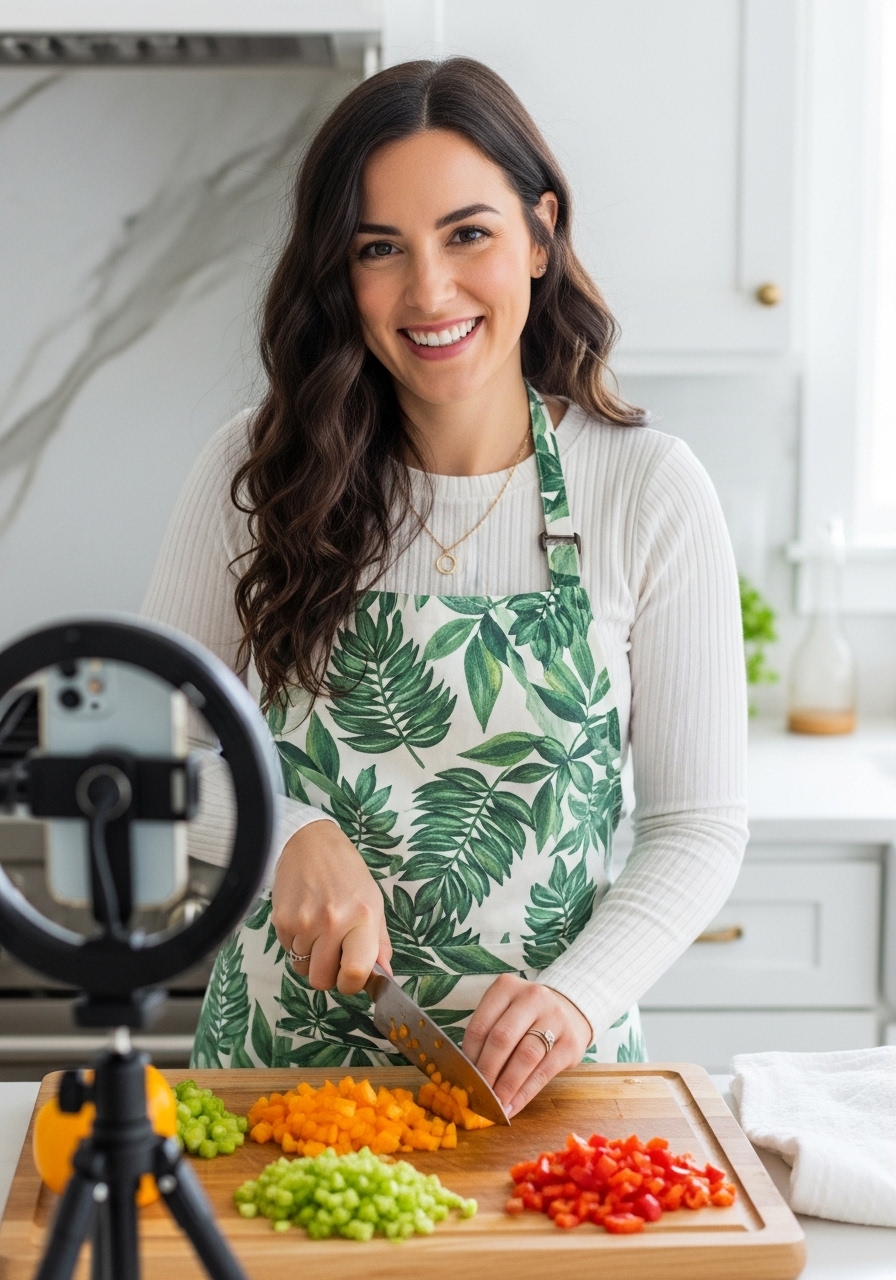
First, prep all ingredients before you start cooking. This mise en place approach is essential because the recipe moves quickly once you begin. Having your vegetables chopped, sauce ingredients measured, and pasta ready to boil means you can focus on cooking each component to perfection rather than rushing to prep the next ingredient.
Second, cook your vegetables in stages based on density. Notice how the recipe first cooks firmer vegetables (broccoli, carrots, onions) before adding more delicate ones (zucchini, peas, tomatoes). This technique ensures each vegetable reaches its ideal texture – tender-crisp without becoming mushy. Remove all vegetables from the pan before starting your sauce to prevent overcooking.
Finally, master the roux technique for your sauce. The butter-flour mixture must cook for a full two minutes to eliminate any raw flour taste, but don’t let it brown. When adding liquid, do it gradually while stirring constantly to prevent lumps. This creates the silky-smooth sauce that defines exceptional spring vegetable pasta. For the creamiest sauce, remove the pan from heat before adding cheese, letting residual heat melt it gently rather than risking separation.
Instructions
Step 1: Combine the sauce ingredients in a large measuring cup with a spout and set aside. Measure out remaining ingredients before beginning.
Step 2: Begin boiling a large pot of water for the pasta. Once a boil is reached, stir in ½ tablespoon salt.
Step 3: Heat olive oil in a large skillet over medium-high heat. Add the broccoli, onions, carrots, and bell peppers and cook for 3 minutes.
Step 4: Add the zucchini, peas, and tomatoes. Season the vegetables with salt and pepper and cook for 2-3 minutes. Remove and set aside.
Step 5: Add the butter and garlic in the same skillet over medium heat. Add the flour and stir continuously for 2 minutes.
Step 6: Add the sauce mixture (from step 1) in small splashes, stirring continuously. Bring to a boil, then reduce to a simmer.
Step 7: Cover partially while you cook the pasta to al dente according to package instructions. Drain once cooked.
Step 8: Reduce heat of the sauce to low and gradually sprinkle in the parmesan cheese until combined, then stir in the lemon juice.
Step 9: Add the drained pasta and stir to combine. Add the vegetables back and toss to combine and heat through.
Step 10: Remove from heat and serve with freshly cracked pepper and fresh lemon slices.
Variations
This classic Pasta Primavera recipe serves as an excellent foundation for creative variations to suit different dietary needs or seasonal preferences.
For a protein-packed version, add grilled chicken breast, sautéed shrimp, or even flaked salmon. Simply cook your protein separately and fold it in with the vegetables in the final step. This transforms the dish into an even more substantial meal while maintaining its fresh vegetable focus.
To create a vegetarian Pasta Primavera, simply substitute vegetable broth for chicken broth and omit the chicken bouillon. For a completely plant-based version, replace the half and half with full-fat coconut milk, use plant butter, and substitute nutritional yeast or your favorite vegan parmesan alternative for the cheese.
Seasonal adaptations keep this dish exciting year-round. In summer, include fresh corn, yellow squash, and eggplant. For fall, incorporate butternut squash, Brussels sprouts, and mushrooms. The technique remains the same – just adjust cooking times based on vegetable density.
Storage and Serving
Pasta Primavera can be stored in an airtight container in the refrigerator for up to 3 days. The texture is best on day one, as the vegetables will soften somewhat upon reheating. When ready to enjoy leftovers, reheat gently in a covered skillet over medium-low heat with a splash of broth or cream to rejuvenate the sauce. Alternatively, microwave at 70% power, stirring halfway through.
For serving, present this colorful vegetable pasta in wide, shallow bowls that showcase the vibrant vegetables. Garnish with additional freshly grated parmesan, a sprinkle of fresh herbs (basil or parsley work beautifully), and a twist of fresh lemon. For an elegant presentation, add a few whole basil leaves and an extra drizzle of high-quality olive oil.
Turn this Pasta Primavera into a complete meal by pairing it with a simple green salad dressed with lemon vinaigrette and crusty garlic bread for soaking up extra sauce. For a special occasion, serve alongside grilled lemon chicken or seared scallops for a restaurant-worthy dinner experience.
FAQs
Can I make Pasta Primavera ahead of time?
You can prepare the components separately up to a day ahead. Cook the vegetables and refrigerate them, make the sauce and refrigerate, and cook the pasta, toss with a bit of olive oil, and refrigerate. Combine and heat everything together just before serving. For best results though, Pasta Primavera is most vibrant when freshly made.
What pasta shape works best for this recipe?
While this recipe calls for ziti, any medium pasta shape that holds sauce well works beautifully. Try penne, farfalle (bow ties), fusilli (spirals), or even fettuccine. Avoid very small pasta like orzo or very large shapes like lasagna noodles.
How can I make this dish less creamy?
For a lighter version, reduce the half and half to ¾ cup and increase the chicken broth accordingly. You could also use whole milk instead of half and half, though the sauce won’t be quite as silky.
Can I use frozen vegetables?
Fresh vegetables provide the best texture and flavor for Pasta Primavera, but in a pinch, frozen vegetable medleys can work. Thaw completely, pat dry to remove excess moisture, and add them later in the cooking process since they’re already partially cooked.
Why did my sauce separate or become grainy?
This usually happens when cheese is added to too hot a sauce or when the sauce boils after cheese is added. Always remove the pan from heat or reduce to very low before adding cheese, and add it gradually while stirring. Using pre-shredded cheese (which contains anti-caking agents) can also cause graininess, so always grate your own parmesan for the smoothest sauce.
Pasta Primavera Recipe
- Prep Time: 15 mins
- Cook Time: 30 mins
- Total Time: 45 mins
- Yield: 4 people 1x
- Category: Dinner
- Method: Cooking
- Cuisine: American
Description
Satisfy your craving with our delicious Pasta Primavera Recipe! Discover a healthy and flavorful dish packed with fresh veggies and pasta. Try it now!
Ingredients
- 1 ¼ cups chicken broth
- 1 ¼ cups half and half
- ½ chicken bouillon cube
- 1 teaspoon soy sauce
- 1 teaspoon hot sauce
- ¾ teaspoons EACH: dried parsley, basil, oregano, mustard powder
- 1 pinch red pepper flakes
- 2 tablespoons olive oil
- 2 cups broccoli florets (cut into bite-sized pieces)
- ½ cup carrots (julienned)
- ½ cup red onion (sliced)
- 1 cup red bell pepper (sliced)
- ½ zucchini (cut into chunks (equal to 1 ½ cups))
- ½ cup frozen peas
- 1 cup cherry tomatoes (halved or quartered)
- Salt/pepper (to taste)
- 3 tablespoons butter
- 3 cloves garlic (minced)
- 3 tablespoons flour
- 1 cup freshly grated parmesan cheese
- ½ lb. ziti
- 2 tablespoons lemon juice
Instructions
- Step 1: Combine the sauce ingredients in a large measuring cup with a spout and set aside. Measure out remaining ingredients before beginning.
- Step 2: Begin boiling a large pot of water for the pasta. Once a boil is reached, stir in ½ tablespoon salt.
- Step 3: Heat olive oil in a large skillet over medium-high heat. Add the broccoli, onions, carrots, and bell peppers and cook for 3 minutes.
- Step 4: Add the zucchini, peas, and tomatoes. Season the vegetables with salt and pepper and cook for 2-3 minutes. Remove and set aside.
- Step 5: Add the butter and garlic in the same skillet over medium heat. Add the flour and stir continuously for 2 minutes.
- Step 6: Add the sauce mixture (from step 1) in small splashes, stirring continuously. Bring to a boil, then reduce to a simmer.
- Step 7: Cover partially while you cook the pasta to al dente according to package instructions. Drain once cooked.
- Step 8: Reduce heat of the sauce to low and gradually sprinkle in the parmesan cheese until combined, then stir in the lemon juice.
- Step 9: Add the drained pasta and stir to combine. Add the vegetables back and toss to combine and heat through.
- Step 10: Remove from heat and serve with freshly cracked pepper and fresh lemon slices.
Notes
Try This Recipe and Leave a comment Below, your opinion matters to me!
Nutrition
- Serving Size: 4 serving
- Calories: 400
- Sugar: 5g
- Sodium: 400mg
- Fat: 10g
- Saturated Fat: 3g
- Unsaturated Fat: 7g
- Trans Fat: 0g
- Carbohydrates: 40g
- Fiber: 5g
- Protein: 15g
- Cholesterol: 50mg