
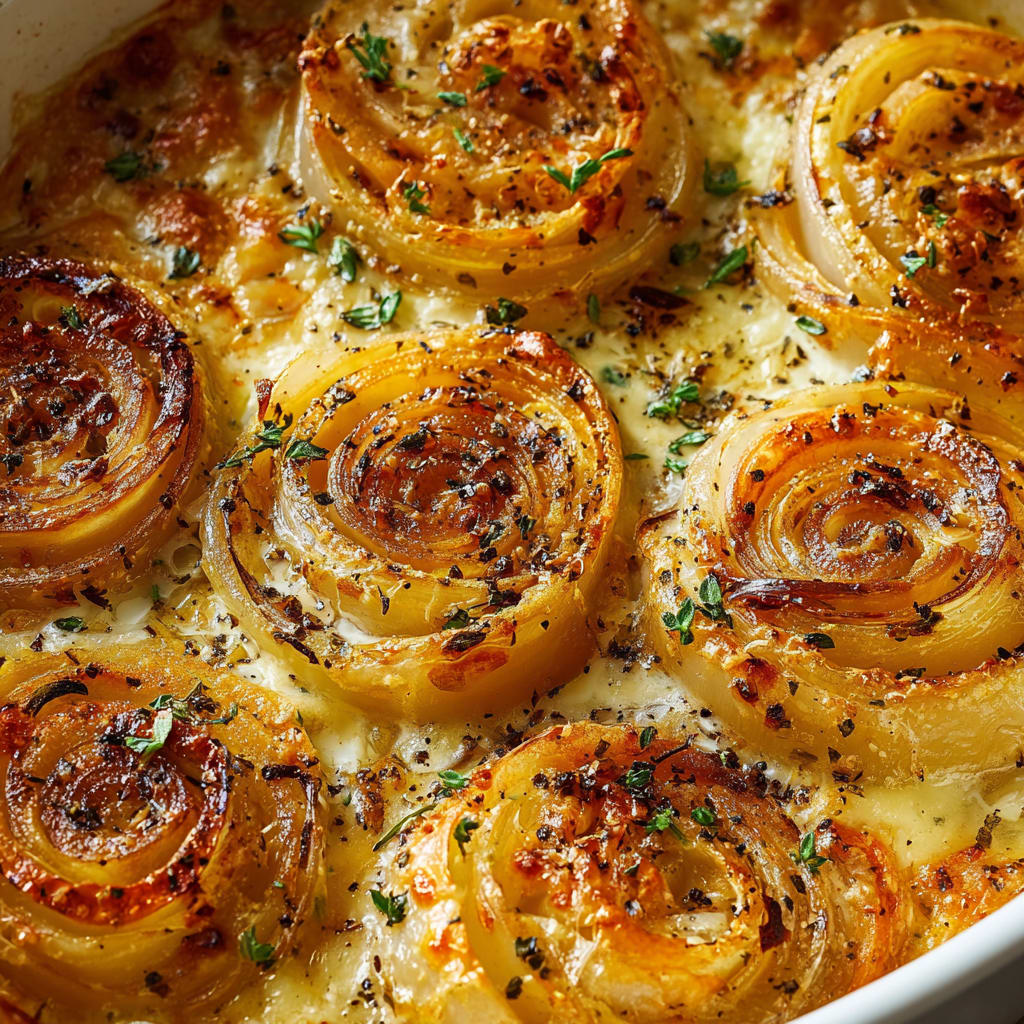
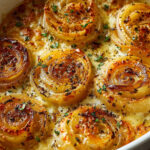
Imagine the irresistible aroma of sweet onions caramelizing in butter, topped with a golden blanket of melted cheese that stretches with each serving. This classic Tennessee Onions recipe transforms humble onions into a show-stopping side dish that perfectly balances sweetness and savory richness. A staple at Southern gatherings and barbecues, this indulgent creation elevates any meal with its melt-in-your-mouth texture and bold flavors. You’ll learn how to perfectly slice and layer your onions, achieve that ideal caramelization, and create a dish that will have everyone asking for your Tennessee Onions secret.
Why You’ll Love This Recipe
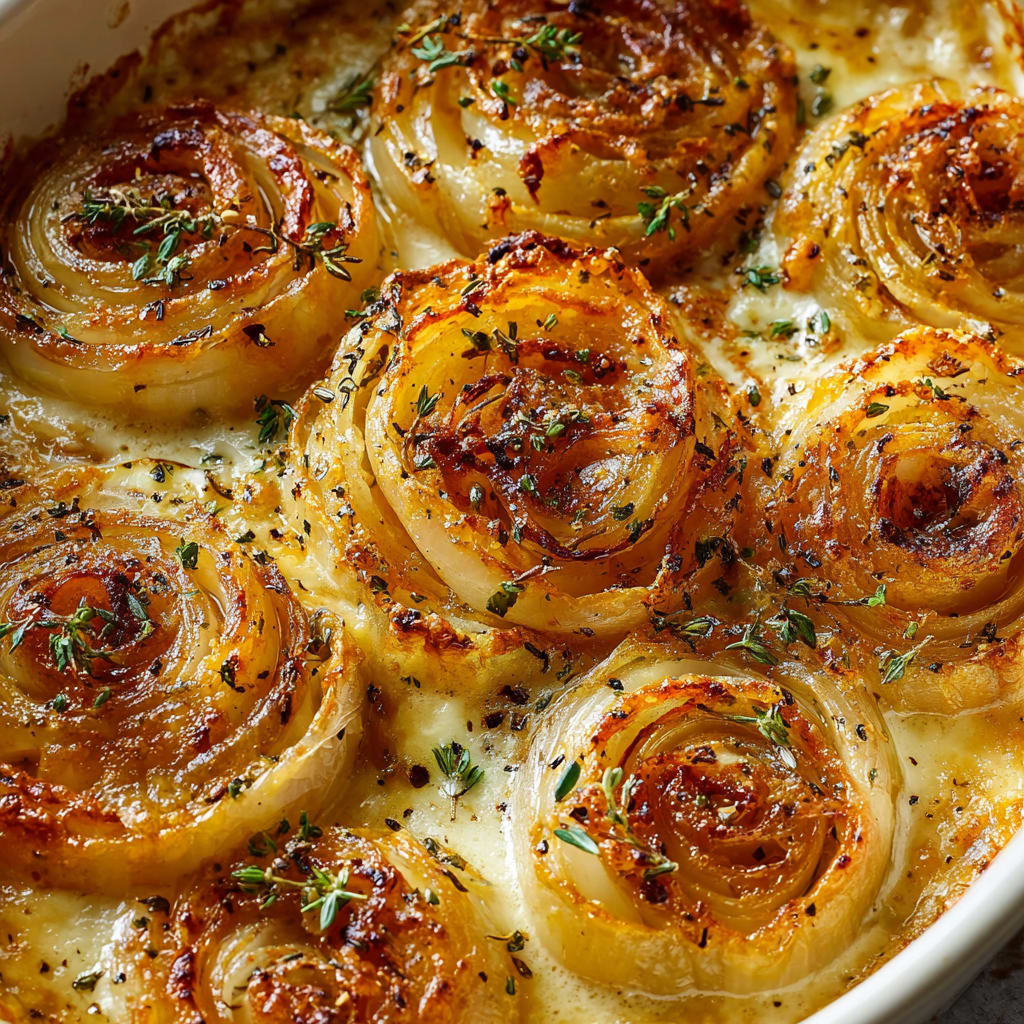
The magic of Tennessee Onions lies in their impressive transformation from a simple ingredient to the star of your dinner table. Sweet Vidalia onions become remarkably tender through slow cooking, developing an almost candy-like sweetness that converts even the most dedicated onion skeptics. The contrast between the soft, caramelized onions and the crispy, bubbling cheese crust creates a textural masterpiece that’s impossible to resist.
What makes this recipe particularly special is its versatility – it pairs beautifully with grilled meats, enhances holiday feasts, and even makes a satisfying vegetarian main when served alongside crusty bread. With just a handful of ingredients you likely already have in your pantry, these Southern-style baked onions deliver maximum flavor with minimal effort.
The dish also offers that perfect balance of rustic simplicity and impressive presentation. When you bring a bubbling dish of golden Tennessee Onions to the table, you’re continuing a beloved Southern cooking tradition that celebrates transforming humble ingredients into extraordinary dishes.
Ingredients
- 3 large Vidalia or sweet onions (approximately 2-3 pounds)
- 4 tablespoons unsalted butter
- 1 tablespoon olive oil
- 1 teaspoon granulated sugar
- 1 teaspoon kosher salt
- ½ teaspoon freshly ground black pepper
- 1 teaspoon garlic powder
- 1 cup shredded cheddar cheese
- ½ cup shredded mozzarella cheese
- ¼ cup grated Parmesan cheese
- 2 tablespoons fresh chopped parsley
- ¼ teaspoon red pepper flakes (optional)
- ¼ cup seasoned breadcrumbs (optional for extra crunch)
Pro Tips
Achieving perfect Tennessee Onions comes down to three crucial techniques. First, slice your onions uniformly – aim for medium thickness (about ¼ inch) rather than paper-thin slices. This ensures they’ll maintain some structure while still becoming beautifully tender. Too thin, and they’ll disintegrate; too thick, and they’ll remain undercooked.
Second, don’t rush the initial stovetop cooking. The key to developing that signature sweetness is allowing the onions to slowly caramelize over medium-low heat. This process brings out their natural sugars and creates that melt-in-your-mouth texture. Be patient and stir occasionally, watching for that golden color that indicates they’re ready for the next step.
Lastly, create flavor layers by seasoning throughout the cooking process. Add salt in stages – a little when cooking on the stovetop and again before adding cheese. This builds depth that one-time seasoning can’t achieve. For the ultimate flavor enhancement, use a combination of cheeses rather than just one type – the sharp cheddar, stretchy mozzarella, and nutty Parmesan each contribute unique elements to the finished dish.
Instructions
Step 1: Prepare the Onions
Preheat your oven to 350°F (175°C). Peel the Vidalia onions and slice them into ¼-inch thick rings or half-moons, depending on your preference. For a more rustic presentation, half-moons work beautifully, while rings create an elegant layered effect. Keep the slices consistent in thickness to ensure even cooking throughout.
Step 2: Begin Stovetop Cooking
In a large, oven-safe skillet (cast iron works perfectly), melt the butter with olive oil over medium heat. The combination prevents the butter from burning while adding rich flavor. Once melted, add your sliced onions to the skillet, stirring to coat them evenly with the butter mixture. Sprinkle with half the salt and the sugar to help jumpstart the caramelization process.
Step 3: Caramelize the Onions
Reduce heat to medium-low and cook the onions, stirring occasionally, for about 20-25 minutes until they become translucent and begin to turn golden brown. Don’t rush this step – the slow cooking develops the deep, sweet flavors that make Tennessee Onions irresistible. If the onions start to stick, add a tablespoon of water and scrape up the flavorful brown bits from the bottom of the pan.
Step 4: Season and Prepare for Baking
Once the onions have caramelized, stir in the garlic powder, remaining salt, black pepper, and red pepper flakes if using. Remove from heat if your skillet isn’t oven-safe and transfer the onions to a greased baking dish. Otherwise, simply turn off the heat and prepare for the next step.
Step 5: Add Cheese and Bake
Sprinkle the caramelized onions with the cheddar, mozzarella, and half the Parmesan cheese, creating an even layer. If using breadcrumbs, mix them with the remaining Parmesan and sprinkle over the top for an extra crispy finish. Place in your preheated oven and bake for 15-20 minutes until the cheese is completely melted, bubbly, and starting to brown at the edges.
Step 6: Finish and Serve
Remove your Tennessee Onions from the oven and let them rest for 5 minutes before serving. This brief rest allows the cheese to set slightly and makes serving easier. Garnish with fresh chopped parsley for a pop of color and freshness that balances the rich flavors. Serve directly from the skillet or baking dish for a rustic presentation that showcases the gorgeous golden crust.
Variations
For a heartier version of Tennessee Onions, transform this side dish into a main course by adding protein. Stir in 1 cup of diced ham or 8 ounces of crumbled cooked bacon before adding the cheese layer. The smoky meat complements the sweet onions beautifully and creates an incredible one-pan meal.
Those seeking a lighter adaptation can create a healthier version by reducing the butter to 2 tablespoons and using reduced-fat cheese. Adding 2 tablespoons of chicken or vegetable broth during caramelization helps maintain moisture and flavor while cutting calories. For extra nutrition, layer in thinly sliced zucchini or bell peppers between the onion layers.
For a gourmet twist on traditional Tennessee baked onions, incorporate fresh herbs like thyme and rosemary into the onion mixture, and substitute Gruyère and fontina for the cheddar and mozzarella. This French-inspired variation offers sophisticated flavor notes while maintaining the dish’s comforting appeal.
Storage/Serving
Tennessee Onions are best enjoyed fresh from the oven when the cheese is still warm and stretchy, but leftovers can be stored in an airtight container in the refrigerator for up to 3 days. Reheat in a 325°F oven for 10-15 minutes until warmed through, which helps restore some of the original texture better than microwave reheating.
When serving, these baked sweet onions shine as a side dish alongside grilled steaks, smoked brisket, or Southern fried chicken. Their sweet-savory profile provides the perfect counterpoint to smoky or spicy main courses. For an elevated presentation, serve individual portions in small ramekins with a sprinkle of extra Parmesan and fresh herbs.
Turn this versatile dish into an appetizer by spooning the Tennessee Onions onto toasted baguette slices or sturdy crackers. Alternatively, use it as a gourmet burger topping – simply spoon a generous portion onto grilled burgers just before serving for an unforgettable flavor enhancement.
FAQs
Can I make Tennessee Onions ahead of time?
Yes! You can caramelize the onions up to two days ahead, store them in the refrigerator, and then add the cheese and bake just before serving. This makes them perfect for entertaining or holiday meals when oven space and time are at a premium.
Which onions work best for Tennessee Onions?
Vidalia or other sweet onions are traditional and provide the best flavor, but yellow onions also work well. Red onions tend to be too sharp, and white onions lack the sweetness that makes this dish special.
My onions aren’t caramelizing. What am I doing wrong?
The most common issue is cooking at too high a temperature. Maintain medium-low heat and be patient. Also, avoid overcrowding the pan, as this causes onions to steam rather than caramelize.
Are Tennessee Onions gluten-free?
The basic recipe is gluten-free without the breadcrumbs. Always check your cheese packaging to confirm no anti-caking agents contain gluten, and you’ll have a delicious gluten-free side dish.
Can I freeze Tennessee Onions?
While possible, freezing isn’t recommended as the texture of the onions can become watery upon thawing. This dish is best prepared fresh or stored in the refrigerator for short periods.
Tennessee Onions Recipe
- Prep Time: 15 mins
- Cook Time: 30 mins
- Total Time: 45 mins
- Yield: 4 servings 1x
- Category: Dinner
- Method: Cooking
- Cuisine: Americaine
Description
Looking for a flavorful side dish? Try this delicious Tennessee Onions Recipe today! Discover a new favorite recipe.
Ingredients
- 3 large Vidalia or sweet onions (approximately 2–3 pounds)
- 4 tablespoons unsalted butter
- 1 tablespoon olive oil
- 1 teaspoon granulated sugar
- 1 teaspoon kosher salt
- ½ teaspoon freshly ground black pepper
- 1 teaspoon garlic powder
- 1 cup shredded cheddar cheese
- ½ cup shredded mozzarella cheese
- ¼ cup grated Parmesan cheese
- 2 tablespoons fresh chopped parsley
- ¼ teaspoon red pepper flakes (optional)
- ¼ cup seasoned breadcrumbs (optional for extra crunch)
Instructions
- Step 1: Prepare the Onions Preheat your oven to 350°F (175°C). Peel the Vidalia onions and slice them into ¼-inch thick rings or half-moons, depending on your preference. For a more rustic presentation, half-moons work beautifully, while rings create an elegant layered effect. Keep the slices consistent in thickness to ensure even cooking throughout.
- Step 2: Begin Stovetop Cooking In a large, oven-safe skillet (cast iron works perfectly), melt the butter with olive oil over medium heat. The combination prevents the butter from burning while adding rich flavor. Once melted, add your sliced onions to the skillet, stirring to coat them evenly with the butter mixture. Sprinkle with half the salt and the sugar to help jumpstart the caramelization process.
- Step 3: Caramelize the Onions Reduce heat to medium-low and cook the onions, stirring occasionally, for about 20-25 minutes until they become translucent and begin to turn golden brown. Don’t rush this step – the slow cooking develops the deep, sweet flavors that make Tennessee Onions irresistible. If the onions start to stick, add a tablespoon of water and scrape up the flavorful brown bits from the bottom of the pan.
- Step 4: Season and Prepare for Baking Once the onions have caramelized, stir in the garlic powder, remaining salt, black pepper, and red pepper flakes if using. Remove from heat if your skillet isn’t oven-safe and transfer the onions to a greased baking dish. Otherwise, simply turn off the heat and prepare for the next step.
- Step 5: Add Cheese and Bake Sprinkle the caramelized onions with the cheddar, mozzarella, and half the Parmesan cheese, creating an even layer. If using breadcrumbs, mix them with the remaining Parmesan and sprinkle over the top for an extra crispy finish. Place in your preheated oven and bake for 15-20 minutes until the cheese is completely melted, bubbly, and starting to brown at the edges.
- Step 6: Finish and Serve Remove your Tennessee Onions from the oven and let them rest for 5 minutes before serving. This brief rest allows the cheese to set slightly and makes serving easier. Garnish with fresh chopped parsley for a pop of color and freshness that balances the rich flavors. Serve directly from the skillet or baking dish for a rustic presentation that showcases the gorgeous golden crust.
Notes
Fresh ingredients will always yield the best flavor results.
Nutrition
- Serving Size: 1 serving
- Calories: 300
- Sugar: 5g
- Sodium: 400mg
- Fat: 10g
- Saturated Fat: 3g
- Unsaturated Fat: 7g
- Trans Fat: 0g
- Carbohydrates: 40g
- Fiber: 5g
- Protein: 15g
- Cholesterol: 50mg